
Swansea
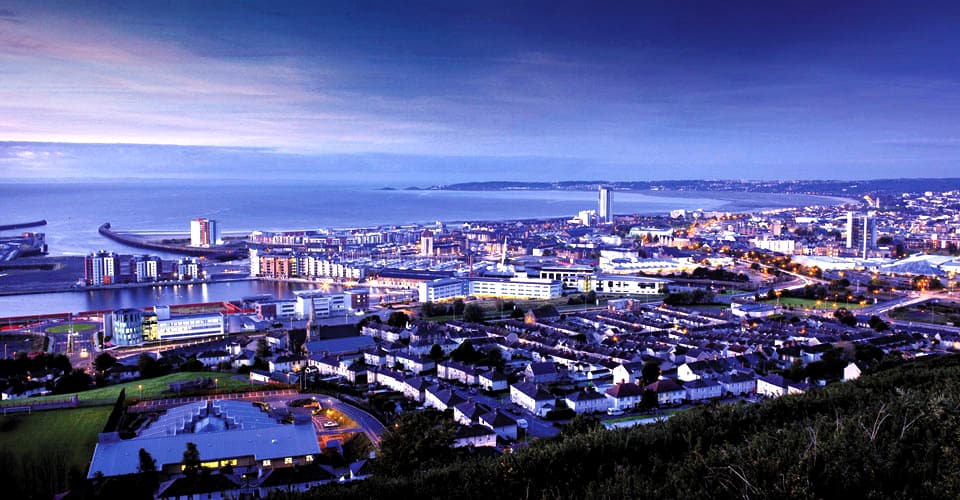
SWANSEA, it could be said, is the kind of place that slips under the radar and then steals your heart. Curving around a broad sweep of sand at the mouth of the River Tawe, Wales’s second-largest city blends a lively waterfront with a proud industrial story and some of Britain’s most spectacular coastal scenery right on its doorstep. It’s both a city break and a beach escape – often in the same afternoon.
Start at the Maritime Quarter, where yachts nudge up against repurposed warehouses and contemporary galleries. Here you’ll find the free-to-enter National Waterfront Museum, which brings 300 years of Welsh industry and innovation to life with interactive displays – a brilliant primer on how this port powered the world.
A short stroll away, Swansea Museum (1841) adds depth as the oldest museum in Wales, while the rejuvenated marina and promenades make easy walking territory between cafés and sea views.
During the 19th-Century industrial heyday, Swansea was the key centre of the copper-smelting industry, earning the nickname Copperopolis.
Swansea is also Dylan Thomas country. The poet was born at 5 Cwmdonkin Drive in the Uplands, where a lovingly restored Edwardian house now shares the story of his early life and work. Down by the water, the Dylan Thomas Centre hosts “Love the Words,” an engaging, permanent exhibition tracing his legacy and connections to the city – an inspiring stop for literature lovers.
For a flavour of local life, duck into Swansea Market, the largest indoor market in Wales. This historic hub is a sensory tumble of fresh seafood, bakeries and Welsh delicacies – perfect for picking up cockles and laverbread before ambling back to the seafront.
Families gravitate to The LC, the city’s indoor waterpark and leisure complex, while culture hunters can add galleries, live music and a growing food scene to the mix.
Follow the curve of Swansea Bay to Mumbles, a classic seaside village with an elegant pier, independent shops and scoop-worthy ice-cream parlours.
Above the pastel terraces, Oystermouth Castle peers over the bay, its hilltop ruins framing grand views and a tangible sense of medieval Wales. The promenade continues to scenic Langland and Caswell, and from here you can pick up beautifully waymarked stretches of the Wales Coast Path for headland walks and cliff-top picnics.
Beyond Mumbles rises the Gower Peninsula – Britain’s first designated Area of Outstanding Natural Beauty (now “National Landscape”), a mosaic of sweeping sands, limestone cliffs, ancient woodlands and wildlife-rich saltmarsh.
Surfers make a beeline for Llangennith; walkers and photographers love Rhossili’s horizon-wide beach and the dragon-back silhouette of Worm’s Head; and everyone is spellbound by the tidal drama and evening light at Three Cliffs Bay. It’s a compact, 70-square-mile adventure playground with postcard views around nearly every bend.
What makes Swansea special is the easy rhythm between urban buzz and coastal calm. In a single day you can browse markets, trace the footsteps of a world-famous poet, dip into world-class heritage museums, then be standing on clifftops watching Atlantic swells roll in.
Whether you come for sea air and surf, castles and culture, or simply the feeling of space you get when city streets give way to sand dunes and big skies, the City and County of Swansea offers a warm, quietly confident welcome – and plenty of reasons to linger.


AROUND WALES – A REGIONAL GUIDE