
Studying in Wales: Guide for Overseas Students
WALES (or Cymru in Welsh) is one of the UK’s most welcoming, most affordable, and most spectacular places to study. From surf beaches and mountain trails to cutting‑edge labs and creative studios, it’s a small nation with big ambition – and an easy place to feel at home.
Why choose Wales?
World‑class universities in a compact country – Eight public universities plus specialist colleges, all within a few hours of each other.
More affordable living – Student budgets typically stretch further than in many English cities, with Cardiff regularly ranked among the UK’s most affordable university cities.
Nature on your doorstep – Hike in Eryri (Snowdonia), kayak Pembrokeshire’s coast, or catch sunset on the Gower Peninsula after lectures.
Culture & bilingual edge – English is everywhere, while the Welsh language adds a unique twist (and extra CV talking point!).
Friendly, safe communities – Vibrant student unions, inclusive societies, and a reputation for a warm croeso (welcome).
Career connections – Growing strengths in data, life sciences, creative industries, aerospace, energy and fintech, with close links between universities and employers.
Where you’ll study

The universities of Wales (alphabetical):
Aberystwyth University – Seaside campus on Cardigan Bay; renowned for earth sciences, IBERS biosciences, law & international politics.
Bangor University – Gateway to Eryri National Park; strong in ocean sciences, psychology, sport & exercise, and forestry.
Cardiff University – Member of the Russell Group; research powerhouse across engineering, healthcare, journalism, business and computer science.
Cardiff Metropolitan University – Design, art & fashion, sport sciences, business & management with strong industry placements.
Swansea University – Engineering, medicine, and computer science with beach‑side campuses; a leader in materials & energy research.
University of South Wales (USW) – Practice‑led courses across creative industries, cyber security, aviation & aerospace, policing and health.
University of Wales Trinity Saint David (UWTSD) – Creative arts, transport design, education and business on city and heritage campuses.
Wrexham University – Hands‑on teaching in engineering, creative media, computing and the built environment in north Wales.
Royal Welsh College of Music & Drama (Conservatoire) – For specialist training in performance, music and theatre.
TIP: Visit each university’s ‘International’ pages for country‑specific entry requirements, fees, scholarships and contact details.
What can you study?
Welsh strengths & signature subjects:
Engineering & energy (Swansea, Cardiff, USW): materials, aerospace, renewables, nuclear and grid innovation.
Life sciences & environment (Aberystwyth, Bangor, Cardiff): biosciences, marine/ocean, forestry, conservation.
Data & digital (Cardiff, Swansea, USW): AI, cybersecurity, fintech, software engineering.
Creative & design (Cardiff Met, UWTSD, RWCMD): product & transport design, media production, performance.
Business & policy (Cardiff, Aberystwyth): business analytics, journalism, law & international politics.
Life on a student budget
Accommodation: First‑year students often choose university halls (single room, shared kitchen). Private rentals and purpose‑built student flats are common in city centres. House‑shares are popular from year two.
Everyday costs: Wales is generally cheaper than London and many English cities. Your university’s website will show current living‑cost estimates and budget tools. Meals at home are far cheaper than eating out; buy a rail/bus pass early.
Savings hacks: Student railcards and bus passes, supermarket loyalty apps, off‑peak gym memberships, and society‑run events.
Accommodation hotspots
Cardiff: Cathays (student central), Roath (cafés & parks), City Centre (walk to everything), Cardiff Bay (waterfront).
Swansea: Bay Campus (beach life), Uplands & Brynmill (independent shops & brunch spots).
Aberystwyth: Seafront and Penglais Hill for easy campus access.
Bangor: Upper Bangor for cafés & uni buildings; Menai Bridge nearby.
Wrexham: Town centre and Garden Village for quick campus commutes.
Part‑time work & careers
Student jobs: Campus roles (ambassadors, library, cafés), retail, hospitality, tutoring and internships. Careers services run CV reviews, careers fairs and employer meet‑ups.
Placements: Many degrees offer a placement year or industry projects—gold for your UK work experience.
Volunteering: Join community projects through Students’ Unions; great for soft skills and meeting locals.
TIP: International students are usually allowed limited weekly work during term (and more in vacations). Always check your visa conditions and your university’s guidance.
Visas, healthcare & compliance (at‑a‑glance)
(Always check official GOV.UK rules before applying; policies can change.)
Student visa: For full‑time study. You’ll need a Confirmation of Acceptance for Studies (CAS), proof of funds and English language evidence (if required).
Healthcare: Paying the Immigration Health Surcharge (IHS) gives access to the UK’s National Health Service during your studies.
Working during study: Most international students can work part‑time in term and full‑time in official vacations – your BRP/visa vignette states the exact limit.
Dependants: Only certain students can bring dependants (e.g., research postgraduates or government‑sponsored students). Taught‑masters restrictions apply.
After you graduate: The Graduate Route currently allows eligible graduates to remain in the UK to work (two years for Bachelor’s/Master’s; three years for PhD). There have been proposals to shorten this – check the latest position when you apply.
Everyday life
Getting around
Buses link campuses and neighbourhoods; TrawsCymru covers long‑distance routes across Wales.
Trains connect Cardiff, Swansea, Newport, Wrexham, Bangor and beyond. Get a 16–25 or 26–30 Railcard (or ‘Two Together’ if you travel with a friend) for ~1/3 off most fares.
Cycling is popular – many cities have dedicated lanes and secure campus storage.
Weather & seasons
Mild and changeable: pack layers, a waterproof jacket, and shoes for rain.
Summers are long‑daylight & festival‑heavy; winters are cosy café season (and great for castles without the crowds).
Sport & outdoors
Rugby at the Principality Stadium (Cardiff); surf at Llangennith; climb Yr Wyddfa (Snowdon); zip‑line at Zip World; paddle the Wye.
Culture
Over 600 castles, eisteddfodau (arts festivals), indie music scenes, and museum hubs like St Fagans and National Museum Cardiff.
Welsh language basics
Helo (hello) • Diolch (thank you) • Os gwelwch yn dda (please) • Iechyd da! (cheers) • Croeso (you’re welcome).
Scholarships & funding
Global Wales Postgraduate Scholarships (for selected countries).
Chevening (Master’s) and Commonwealth Scholarships.
University‑specific bursaries, tuition discounts and alumni/loyalty awards for postgraduate study.
TIP: Apply early. Many scholarships close months before courses start.
City snapshots
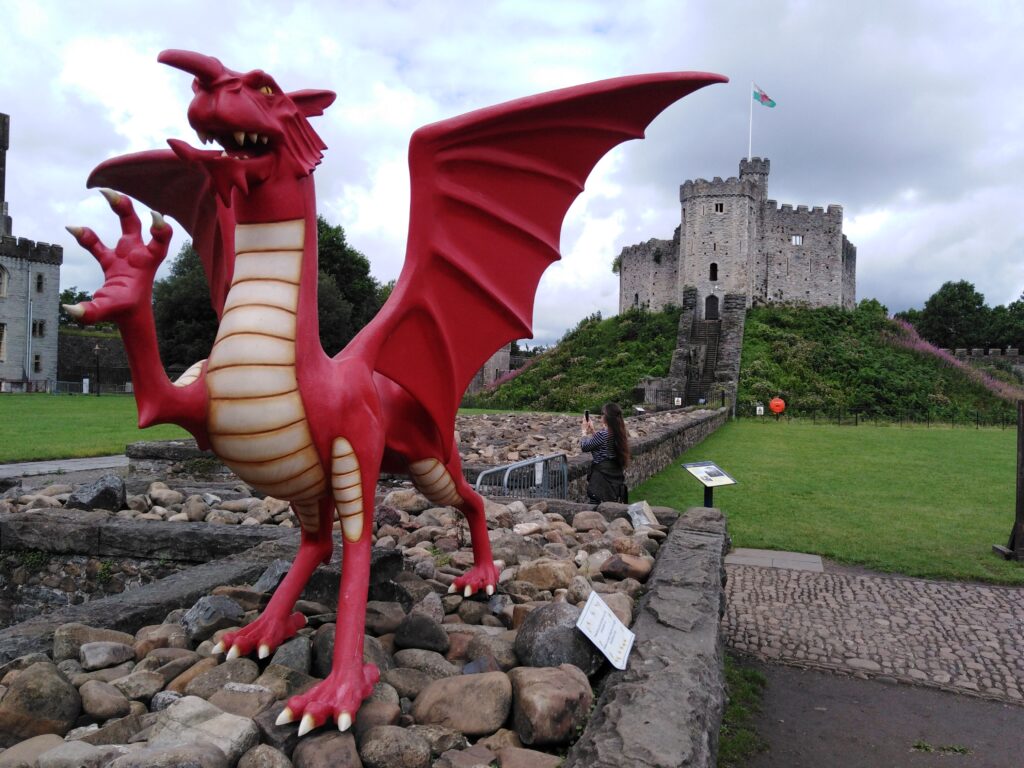
Cardiff – Capital city buzz with stadium gigs, world‑class sport, riverside trails and a compact centre. Major employers and internships.
Swansea – Sea‑air study with the Gower AONB next door. Engineering, medicine and start‑ups thrive here.
Aberystwyth – Beach + library town with a creative heart and big skies.
Bangor – Small‑city life at the foot of mountains; outdoor societies galore.
Wrexham – North Wales hub, booming creative scene and gateway to the Clwydian Range.
Carmarthen/Lampeter – Historic market towns with a close‑knit feel and easy access to west‑coast adventures.
Application timeline (September start)
12–18 months out
Shortlist universities/courses; check entry requirements and scholarship deadlines.
9–12 months out
Sit English tests (if needed). Gather transcripts and references. Draft your personal statement/statement of purpose.
6–9 months out
Submit applications. Line up finance (savings, sponsor letters, scholarship applications).
3–6 months out
Accept offers; receive CAS; apply for visa and accommodation; book flights.
1–3 months out
Join university pre‑departure briefings; arrange airport pick‑up; pack weather‑proof clothing.
Arrival week
Enrol; collect BRP (if applicable); register with a GP (doctor); set up a UK bank account; attend orientation and join clubs.
Useful links
- Study in Wales – universities, courses, scholarships and student stories: https://www.studyinwales.ac.uk/
- GOV.UK Student visa – how to apply and required documents: https://www.gov.uk/student-visa
- GOV.UK Graduate visa – post‑study work route: https://www.gov.uk/graduate-visa
- UKCISA – independent visa/work advice for international students: https://www.ukcisa.org.uk/
- Your chosen university’s international pages for living‑cost calculators, accommodation and arrival guides.
Final word: why Wales?
Wales offers a high‑impact education in a low‑stress setting. You’ll get the UK’s academic quality, more space and scenery than you thought possible, and a campus culture that’s personal and supportive. If you want world‑class learning plus a life you’ll love, put Wales at the top of your list.