Woolly Wonderful Wales: A Heritage Worth Celebrating
FIFTY years of the National Wool Museum, a festival of Welsh patterns and a reminder that wool once helped clothe the world.
When we think of the industries that helped shape Wales, coal, iron and steel usually spring to mind. But long before the great furnaces and collieries transformed the Welsh landscape, another industry was making its mark on communities across the country.
And it all began with the humble sheep.
For centuries, wool was one of Wales’ most important industries, providing employment, supporting rural communities and producing textiles that found their way into homes and wardrobes far beyond the Welsh borders.
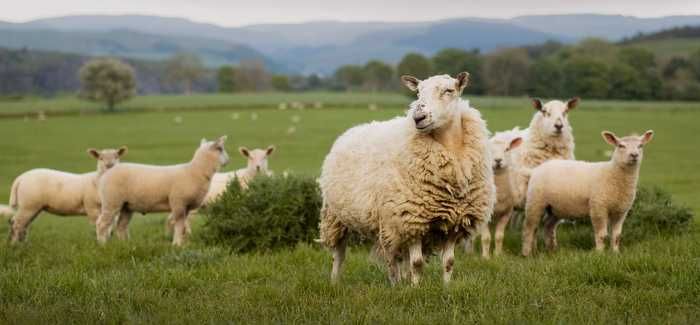
This Saturday, 17 October, 2026, the National Wool Museum is celebrating that remarkable heritage with a free Pattern Festival, combining traditional skills, machinery demonstrations, live music, storytelling, Welsh dancing and family activities.
The festival also marks a special milestone: 50 years since the museum first opened in 1976.
And for a place dedicated to preserving the story of the Welsh woollen industry, there could hardly be a more fitting way to celebrate.
***
The Huddersfield of Wales
The museum is located in Dre-fach Felindre, a Carmarthenshire village in the Teifi Valley which once enjoyed the extraordinary nickname ‘the Huddersfield of Wales’.
It might seem an unlikely comparison today, but during the 19th and early 20th centuries, this corner of west Wales was a thriving textile manufacturing centre.
Woollen mills produced flannel, blankets, shirts, shawls, stockings and other garments, supplying customers throughout Wales, Britain and overseas.
The growth of the industry transformed the surrounding communities. Mills brought employment, while workers and their families supported shops, chapels, schools, choirs and sporting clubs.
By the 1890s, there were more than 250 woollen factories in west Wales, including 23 in Dre-fach Felindre and its surrounding district.
During the First World War, local mills worked around the clock to supply flannel for military uniforms, highlighting the importance of the Welsh woollen industry to the wider British economy.
But competition, changing fashions and the decline of traditional manufacturing gradually reduced demand.
Many mills closed, and the industry which had sustained generations of families began to disappear.
***
A working museum with a living history
The National Wool Museum occupies the former Cambrian Mills, established in the early 20th Century on the site of an earlier weaving workshop.
Its exhibits trace the journey of wool from sheep’s fleece to finished fabric, with historic machinery illustrating processes that once required enormous skill and labour.
Visitors can discover how wool was cleaned, carded, spun, dyed and woven into the distinctive textiles that became synonymous with Welsh craftsmanship.
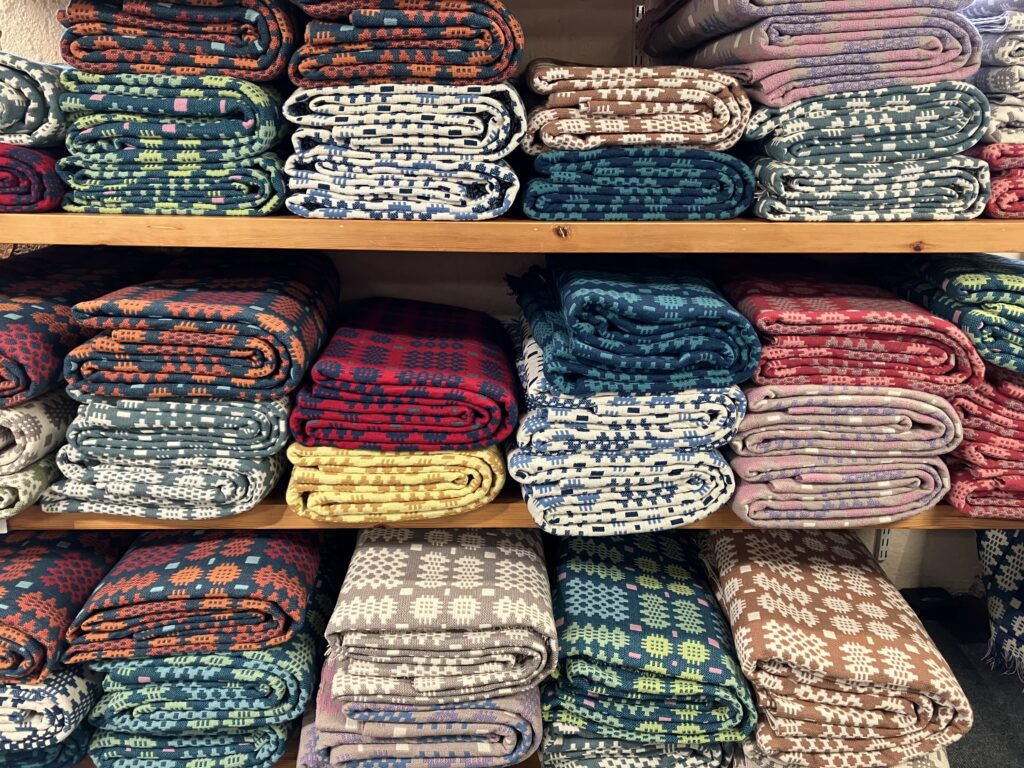
Traditional Welsh blankets, with their striking geometric designs and vibrant colours, are among the industry’s best-known surviving products.
The museum itself first opened in 1976, initially known as the Museum of the Welsh Woollen Industry, before reopening as the National Wool Museum following major redevelopment in 2004.
Today, it offers a fascinating reminder that Wales’ industrial story was never simply about coal and steel.
***
Pattern Festival promises a colourful celebration
Saturday’s festival promises to bring the museum’s history to life through a programme of demonstrations, entertainment and creative activities.
A major highlight will be the official opening of the Weaving Shed, scheduled for 10.45am, giving visitors an opportunity to celebrate the restoration and continuing use of traditional textile machinery.
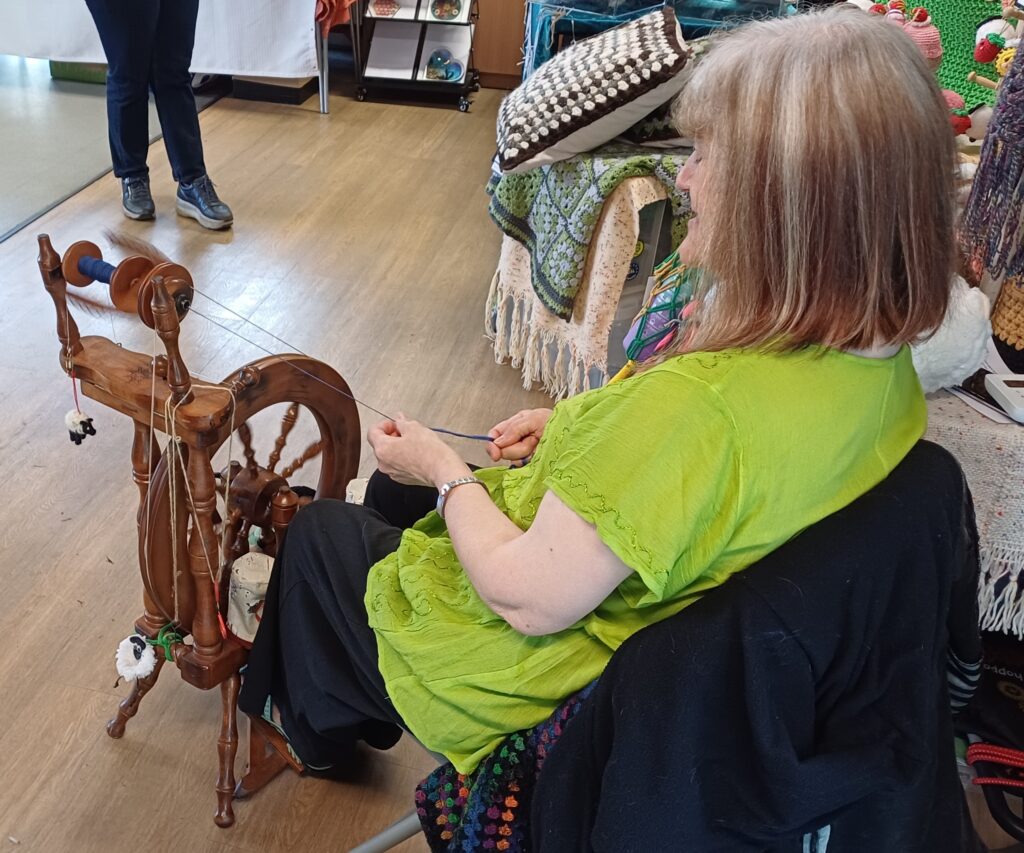
There will also be demonstrations of spinning, opportunities to handle historic textiles and a closer look at the patterns and designs found in the museum’s collection.
Local woollen makers will be showcasing their skills, while visitors can explore market stalls and contribute to a community artwork led by artist Emily Laurens.
Live music from Carys Hedd and the Betgwn Project, storytelling with Ceri John Phillips, and traditional Welsh dancing from Dawnswyr Talog will provide entertainment throughout the afternoon.
The festival also celebrates the creativity of local schoolchildren from Ysgol Penboyr and Ysgol Hafodwenog, with competition prizes being presented during the day.
And there will even be a chance to encounter a character from the mill’s past, with Johnny Lewis – Memories of the Mill bringing a little living history into the celebrations.
***
A new chapter for Welsh wool
The museum’s anniversary also provides an opportunity to consider the future of an industry once so important to Wales.
Traditional Welsh blankets and tapestry designs have enjoyed renewed interest in recent years, with contemporary makers and designers recognising the appeal of their colours, patterns and craftsmanship.
At a time when consumers are increasingly interested in sustainability, natural fibres and the origins of the products they buy, wool has much to offer.
Across Wales, working mills and independent textile businesses continue to produce distinctive fabrics, combining traditional techniques with modern designs.
And with the National Wool Museum continuing to preserve industrial machinery, practical skills and the stories of mill workers, future generations can appreciate the contribution this industry made to Welsh life.
The museum’s 50th anniversary is therefore more than a celebration of the past.
It is also an opportunity to encourage new makers, inspire younger visitors and demonstrate that Wales’ textile heritage still has a place in the modern world.
For Ewegottalove, of course, there is something particularly appealing about an entire festival celebrating the contribution of sheep to Welsh history.
We could hardly miss it!
***
Planning a visit to the Pattern Festival?
Saturday, 17 October, 2026
10.30am–3.30pm
National Wool Museum, Dre-fach Felindre, Carmarthenshire
Free admission, suitable for all ages; drop-in event
Highlights of the day’s programme include the Weaving Shed opening at 10.45am, a closer look at the museum’s textile collection from 11.30am, live music from 12.15pm, storytelling at 1.15pm, Welsh folk dancing at 2pm and machinery demonstrations from 3pm.
Market stalls, craft activities, spinning demonstrations and living-history attractions will run throughout the festival.
The museum also has a café and shop, with parking available on site. Visitors should consult the official Pattern Festival programme for final details.
***
Did Ewe Know?
Wool once had a surprisingly important connection with another great Welsh industry — coal mining.
The factories of Dre-fach Felindre produced flannel shirts, underwear and blankets that were particularly popular with workers in the South Wales coalfields.
And the village’s connections with the mining communities went beyond textiles. Its industrial workforce developed choirs, bands, football teams and a strong chapel tradition, giving it a social character remarkably similar to the coal-mining valleys further south.
So while Welsh coal helped fuel the industrial revolution, Welsh wool helped keep its workers warm!