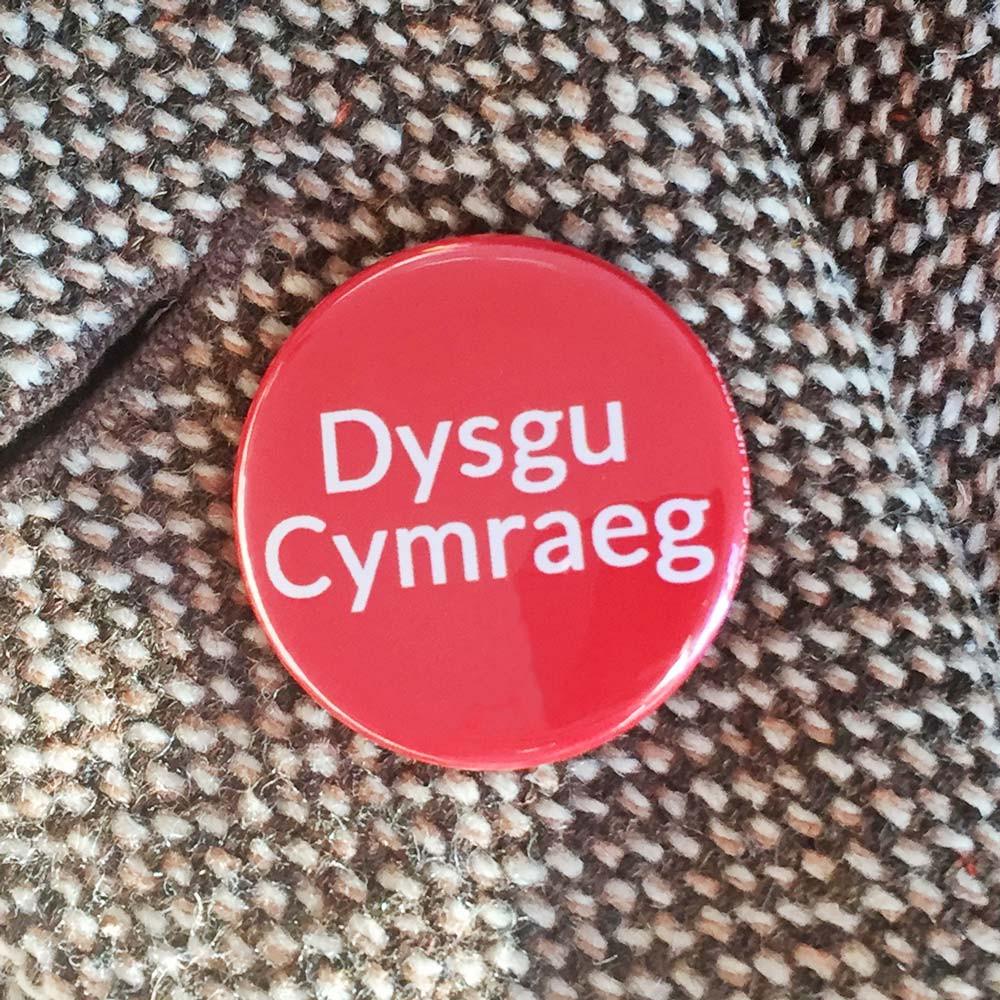
Living Identity of the Welsh Language
THE Welsh language, or Cymraeg, is one of the oldest living languages in Europe, with roots tracing back over 1,500 years. It evolved from the Celtic languages spoken by the ancient Britons and has endured through centuries of political and cultural change.
Despite periods of decline, particularly following the Acts of Union with England and the rise of English dominance in administration and education, Welsh has persisted as a symbol of national identity and pride.
Today, Welsh is a living, dynamic language spoken by hundreds of thousands across Wales, with varying degrees of fluency. It is most commonly spoken in the north and west of the country, although revitalization efforts have extended its presence into urban and more Anglicized areas.
The language holds official status in Wales and is used in government, education, media, and public signage. Bilingualism is increasingly common, and many children learn Welsh in school, whether as a first or second language.
Cultural life in Wales is deeply intertwined with the language, from traditional poetry and song to contemporary literature and media. The Welsh-language TV channel S4C and radio station BBC Radio Cymru provide platforms for native speakers and learners alike, contributing to the language’s modern evolution.
While Welsh once faced serious decline, the 20th and 21st centuries have seen renewed commitment to its preservation and growth, supported by government policy and grass-roots activism.
Despite challenges, including the dominance of English and the pressures of globalization, there is a strong and growing movement to secure the future of Welsh.
Its continued use is more than a matter of communication; it represents a deep cultural heritage and a living identity that connects the people of Wales to their history, their communities and each other.