
Where To Go In Cardiff
CARDIFF is a capital with a village heart, a waterfront city shaped by coal-era ambition and 21st-Century creativity. From the banks of the River Taff and Cardiff Bay to leafy hilltop suburbs and stone-built villages, the city and county weave together distinct neighbourhoods whose identities are as strong as their rugby loyalties.
In the centre, civic grandeur meets everyday bustle around Cathays and Cardiff Central, where the white Portland stone of the university quarter and museum district gives way to arcades, markets and the shadow of the Principality Stadium.
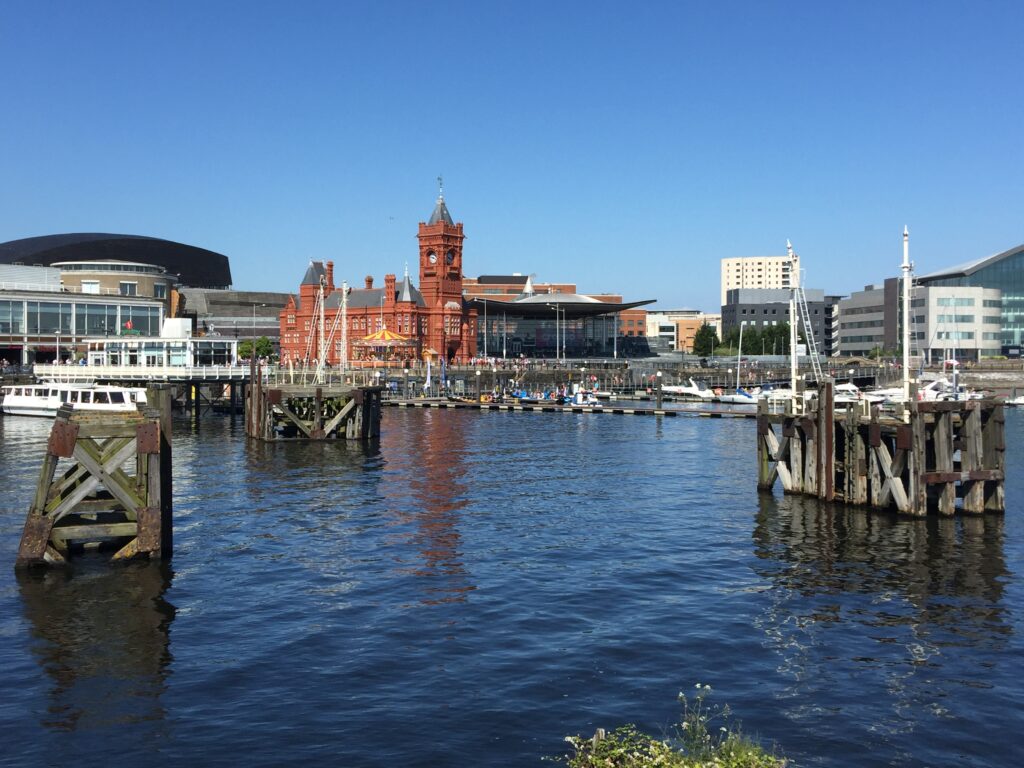
A short stroll south opens onto Butetown and the reborn Cardiff Bay, once ‘Tiger Bay’, where dockside warehouses and a cosmopolitan heritage inform today’s theatres, restaurants and waterside paths.
Adjacent Grangetown and Riverside mix terraced streets with parkland and weekend food markets, while football and retail energy pulse around Leckwith.
Head west for a run of proudly local districts. Canton blends indie galleries, craft beer and old-school bakeries; next-door Pontcanna frames handsome townhouses with tree-lined avenues leading towards Bute Park, a green spine that carries you back to the castle.
Further out, Ely and Caerau tell the story of Cardiff’s post-war growth, and Fairwater balances commuter convenience with pockets of surprising woodland.
Beyond them, time slows at St Fagans, a thatched-roof village known for its open-air museum and riverside pub, and then opens to the rural edges of Creigiau, Pentyrch and Gwaelod-y-Garth, where lanes wind up to quarry-cut hillsides and views across the valley.
North and north-west, ecclesiastical Llandaff centres on its tranquil cathedral green and village high street, while Llandaff North leads into the Taff Trail and commuter-friendly Gabalfa.
Classic suburban Cardiff lives on in Whitchurch, where cafés spill onto pavements and the library is a community hub, and in garden-suburb Rhiwbina, planned in the early 20th Century with distinctive arts-and-crafts houses.
Nearby Birchgrove nudges up to Heath, known for generous gardens and easy access to parkland and hospital, while the gateway village of Tongwynlais sits beneath fairytale Castell Coch, marking the city’s edge just before the road climbs into forested hills.
To the north-east, Llanishen pieces together lakeside walks, business parks and traditional streets, rising towards Thornhill with wide skies and good family homes.
East of Roath Park, Cyncoed is all leafy avenues and long driveways, flowing into red-brick Penylan with its independent shops and handsome crescents. Purpose-built estates at Pentwyn and Llanedeyrn reflect modern Cardiff’s expansion, while the villages of Old St Mellons and St Mellons bookend the city boundary with a blend of coaching-inn heritage and contemporary housing.
On the Severn-facing side, Rumney and Trowbridge retain a strong local identity and easy routes to coastal wetlands.
East of the centre, student-friendly Roath hums with cafés and late-night groceries, anchored by Roath Park and its lakeside promenade. Cathays thrums during term-time and quiets in summer, as research labs and live-music venues take their turn on stage.

Closer to the docks, the tight-knit communities of Splott, Adamsdown and Tremorfa share proud industrial roots, inventive street art and an ever-evolving food scene. Across the river, sports fans and city workers drift through Riverside markets and along the Taff embankment, tracing a daily rhythm that makes the capital feel walkable and personal.
What ties these districts together is how easily the city moves from urban to pastoral. You can start your day with coffee in Pontcanna, row across Roath Park lake by lunch, cycle from Llandaff North to the Bay at dusk, then end in Butetown with the scent of spice and sea in the air.
The villages at Radyr and Morganstown offer railway-linked calm a few stops from the centre; Lisvane looks out to rolling fields; Pontprennau and Old St Mellons catch sunrise over the flats of the Severn. In every direction, Cardiff is a city of neighbourhoods – distinct, well-loved places that, taken together, explain why people come for the castles and concerts and stay for the streets they get to call home.