Where To Go In Wrexham
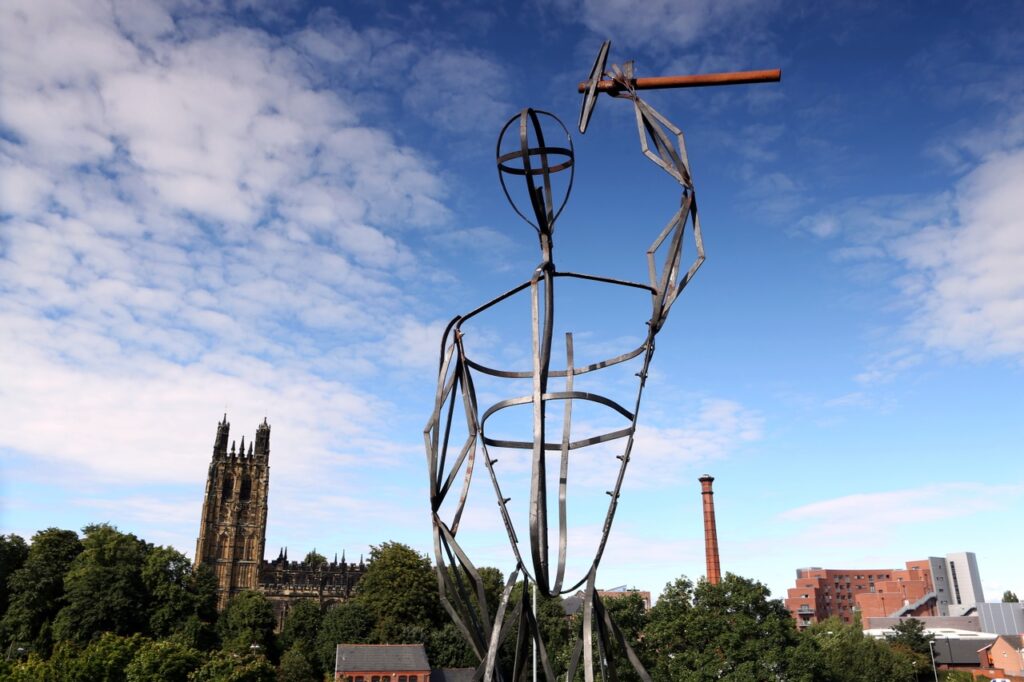
WALES’S newest city, Wrexham, anchors a remarkably varied county borough where industrial grit meets green borderlands.
In the urban heart you’ll find the historic Racecourse Ground, a lively food-and-craft scene around the Butchers’ Market, and the Clywedog Valley’s mills telling the story of coal, iron and brewing that powered the region.
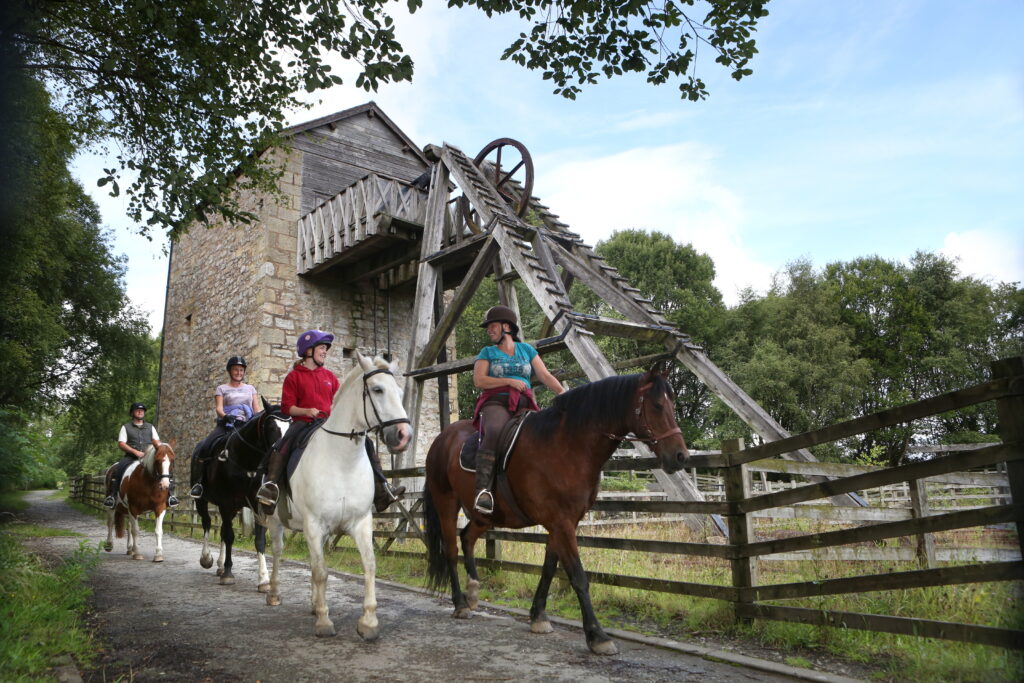
South-west, the upland communities of Coedpoeth, Minera and Bwlchgwyn sit on the edge of the moors, their old lead mines and lime kilns giving way to big skies and wide walking country. Nearby Brymbo recalls the great ironworks and later steelmaking that once defined daily life.
Head down towards the Dee and the proud former mining village of Rhosllannerchrugog – usually shortened to ‘Rhos’ – still famed for its choirs and community spirit, with Rhostyllen, Johnstown and Penycae threading the valley below.
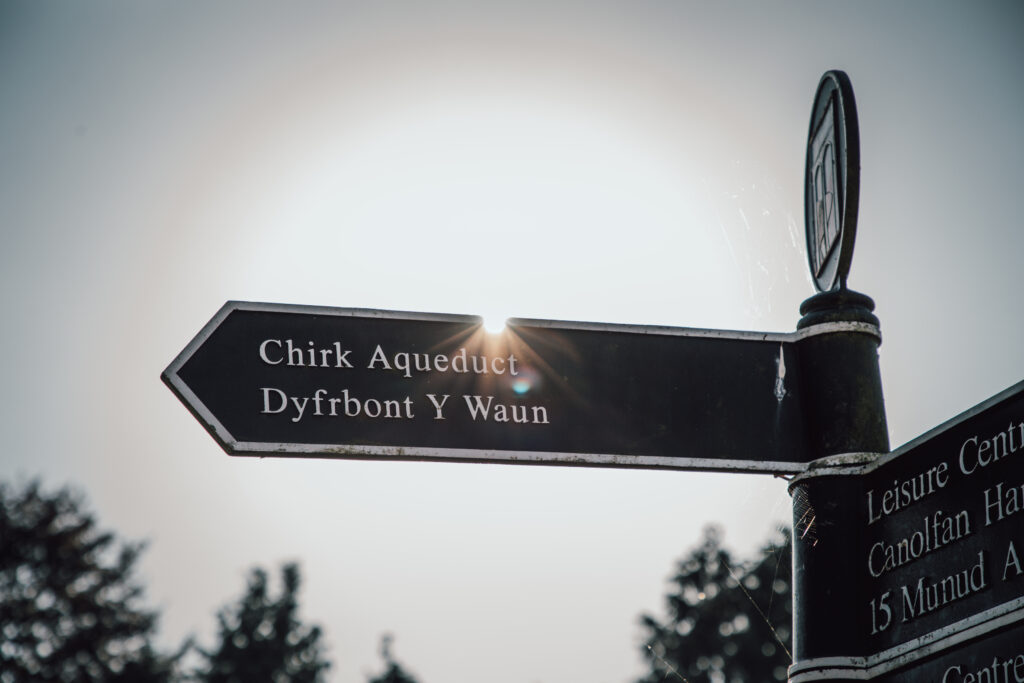
The south of the county borough is crowned by Chirk, with its mighty Marcher castle guarding the entrance to the Ceiriog Valley and woodland paths that feel miles from anywhere.
Along the canal, Cefn Mawr, Froncysyllte and Trevor frame the UNESCO-listed Pontcysyllte Aqueduct, where narrowboats drift 38 metres above the River Dee and the views sweep across two countries. Eastward sits Ruabon, once synonymous with red brick and fine terracotta, and Rhosymedre, birthplace of composer John David Edwards.
North of the city, once-rural colliery settlements like Gwersyllt and Llay have grown into busy hubs with easy links to Chester and the A483. The Alyn and lower Dee valley contrast with leafier villages such as Marford, noted for its quirky Gothic cottages, and Rossett, with its historic mills and eateries.
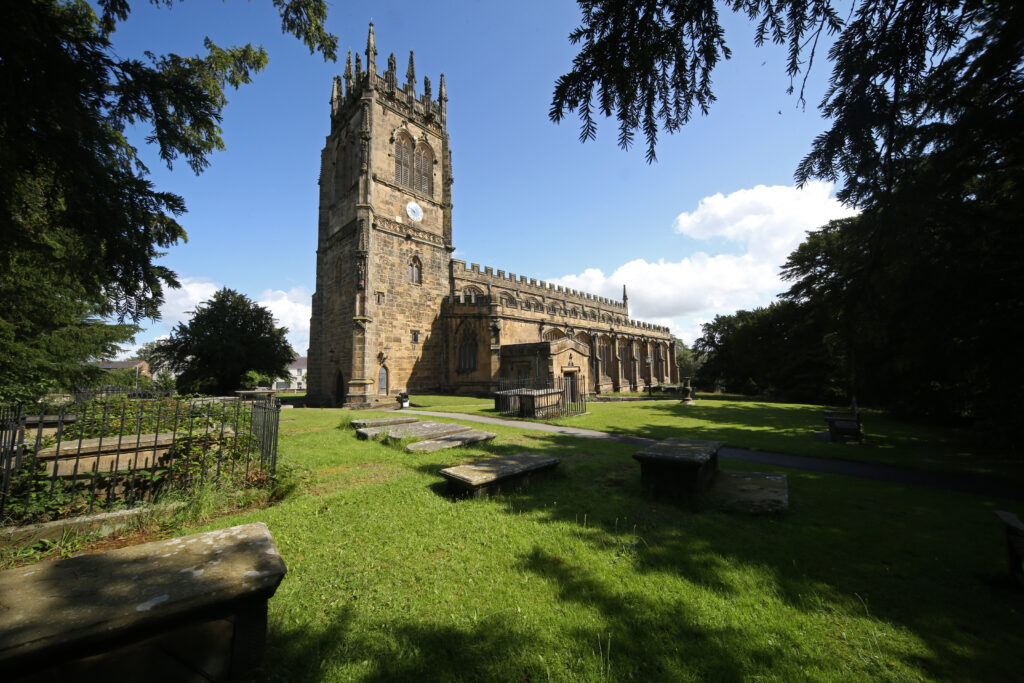
To the north-east, Gresford is celebrated for All Saints’ peal – one of the traditional ‘Seven Wonders of Wales‘ – while Holt preserves a castle mound and a handsome medieval bridge to Farndon across the border.
Follow the river south-east to Bangor-on-Dee (Bangor-is-y-Coed), where the racecourse delivers jumps action in a picturesque loop, and on to the old Maelor parishes of Overton – famed for ancient yew trees – Hanmer and Bronington, a gently rolling landscape of meres, hedgerows and half-timbered farmsteads.
Tying it all together is a sense of borderland character: English and Welsh influences interwoven, heritage routes and waterways criss-crossing, and a constellation of towns and villages that each bring a distinct note to the broader Wrexham story.