
Rallying’s Glory Days Roar Back into the Royal Welsh Showground One Last Time
THE sights, sounds and unmistakable smells of rallying’s golden years are heading back to mid Wales this weekend.
And this time there is an added reason not to miss them.
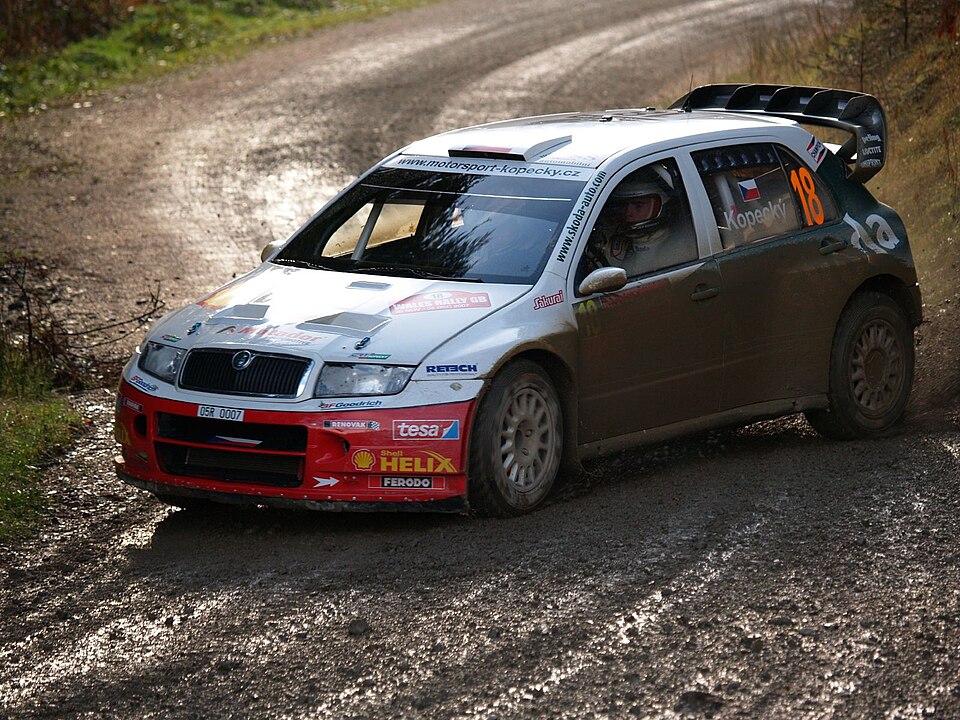
The Historic Rally Festival returns to the Royal Welsh Showground at Builth Wells on Saturday and Sunday, October 3–4 — but organisers have confirmed that the sixth running will also be the final edition of the festival in its present form.
For historic motorsport fans, that makes this weekend something of a farewell party.
Expect noise. Expect nostalgia. And expect some seriously memorable machinery.
A journey through rallying history
The attraction of the Historic Rally Festival lies in the sheer range of cars represented.
Classes cover machinery from Group 1, Group 2 and Group 4 through Group N and Group A to the legendary Group B years, early World Rally Championship cars and special entries.
Together they represent decades during which rallying changed dramatically.
There were the relatively simple saloons and Escorts of earlier eras, the increasingly sophisticated factory machines that followed, and then the astonishing Group B period when power outputs and technology seemed to advance almost faster than the sport could contain them.
For anyone who grew up watching rallying from Welsh forests, television highlights or roadside stages, many of these cars evoke memories before they even move.
Then somebody starts the engine.
***
Demonstration rather than race
The Historic Rally Festival is slightly different from a conventional rally.
The cars are driven at pace around specially prepared stages, but there is no competitive timing and therefore no overall winner chasing seconds on a stopwatch.
Instead the emphasis is on demonstrating the cars properly — allowing spectators to see and hear machinery doing something much closer to what it was built for than sitting silently in a museum.
The event operates under Motorsport UK regulations as a Stage Rally Demonstration.
That distinction is important.
These are historic cars, but this isn’t intended to be a static classic-car show.
***
New stages for the finale
Organisers have created new stage layouts for the 2026 event, with multiple runs planned across the weekend.
Saturday includes six stage runs, while the programme continues on Sunday before the festival reaches its final conclusion.
Cars return regularly to service, giving spectators another opportunity to see them at close quarters and watch crews working around machinery from different generations.
The festival has built much of its reputation around that accessibility — bringing spectators, cars and competitors closer together than at many major motorsport events.
***
Why Builth Wells feels right
There is something particularly appropriate about staging the event in mid Wales.
Wales has a long and intimate relationship with rallying.
Forest stages, mountain roads and generations of Welsh competitors have helped make motorsport part of the sporting landscape, while Wales Rally GB introduced huge international audiences to locations across the country.
Builth Wells may be better known internationally for the Royal Welsh Show, but this weekend the Showground swaps livestock, agriculture and country life for rally cars.
And plenty of them.
***
The end of an era — but perhaps not the end of the story
The organisers say the decision to bring the Historic Rally Festival to an end after six editions was not taken lightly.
Since its launch, the event has attracted hundreds of crews and thousands of spectators while developing into a celebration not only of cars but of the people, memories and culture surrounding rallying.
The message for 2026 is therefore very simple: give it a proper send-off.
There is, however, an intriguing hint about what may follow.
Rallying History has indicated that it has plans for a different kind of single-day event in future.
So while this may be the final Historic Rally Festival, it might not represent the final chapter for the people behind it.
***
What visitors need to know
The Historic Rally Festival takes place at the Royal Welsh Showground, Builth Wells, on Saturday, October 3 and Sunday, October 4.
Adult tickets purchased in advance are listed at £20 for an individual day, while a weekend pass is £25, subject to booking fees.
Admission on the gate is £25 per adult per day and organisers advise that gate payments are cash only.
Children under 15 can attend free when accompanied by a paying adult.
For anyone with even a passing interest in rallying history, this feels like one of those weekends where the word “historic” applies twice.
Historic cars.
And the final running of an event created specifically to celebrate them.
***
DID EWE KNOW?
Group B rallying became so extreme during the 1980s that some cars produced well over 400 horsepower while weighing barely a tonne. The category was abolished from the World Rally Championship after the 1986 season — yet its cars remain among the most celebrated machines rallying has ever produced.