
Horse Racing in Wales
HORSE RACING has a long and distinctive place in Welsh sporting life.
From major National Hunt meetings at Chepstow and Ffos Las to point-to-point fixtures staged in the countryside, Wales has produced important races, celebrated jockeys, successful trainers and some memorable moments in the history of the sport.
Today, the country’s two principal racecourses stage both Flat and jump racing, while the Welsh Grand National remains one of the biggest and most recognisable sporting occasions in Wales.
But the story of Welsh racing stretches much further back.
A long racing tradition
Organised racing has taken place in Wales for centuries, often developing around local fairs, estates and rural communities before permanent racecourses became established.
Cardiff once had a racecourse at Ely, where the Welsh Champion Hurdle was first staged in 1921. The course eventually closed in 1939, but several important Welsh races survived by moving elsewhere.
The Welsh Grand National itself also predates its association with Chepstow. A post-war running took place at Caerleon in Newport in 1948 before the race moved to Chepstow the following year.
That move helped establish Chepstow as the centrepiece of Welsh racing.
***
Chepstow Racecourse
Chepstow Racecourse opened in 1926 and has developed into the largest racecourse in Wales.
Set close to the River Wye and the Wales–England border, it stages racing under both codes, with summer Flat meetings alongside a major National Hunt programme.
The track is a wide, galloping, left-handed circuit of around two miles, and its long run-in places a premium on stamina — one reason why the course has become so closely associated with demanding staying contests.
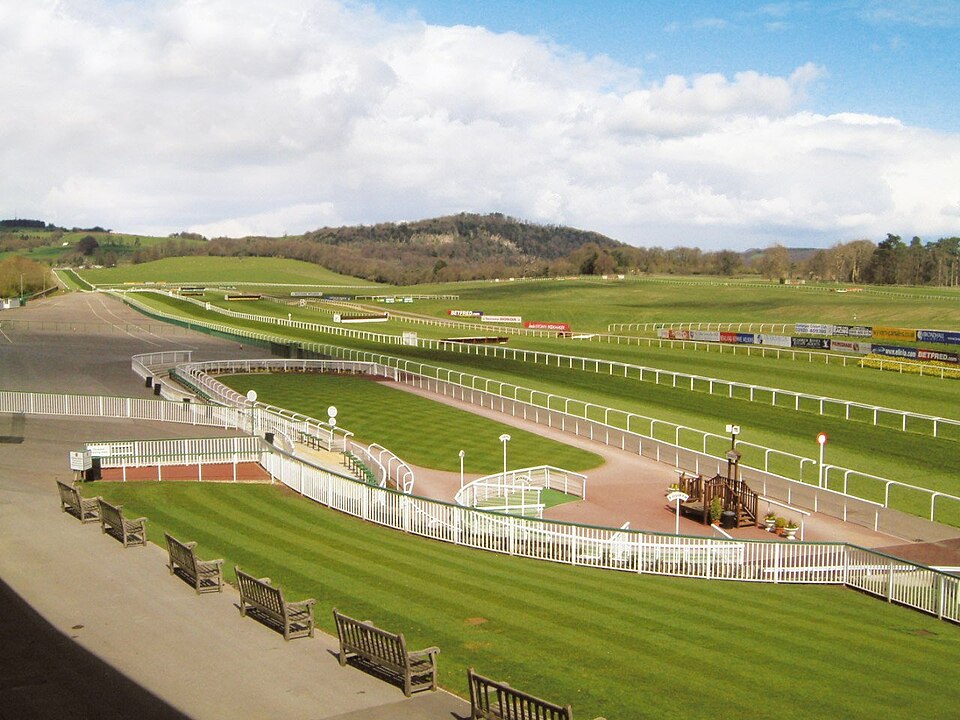
Chepstow celebrated its centenary in 2026, marking 100 years since racing first took place at the course.
Its most famous event is undoubtedly the Welsh Grand National.
***
The Welsh Grand National
The Welsh Grand National has become one of the major staying chases in the British racing calendar.
The race moved permanently to Chepstow in 1949 and has subsequently produced a remarkable roll-call of winners.
Among them have been horses who went on to achieve even greater success.
Burrough Hill Lad won the Welsh National before taking the Cheltenham Gold Cup, while Native River won at Chepstow in 2016 and later captured the Gold Cup at Cheltenham in 2018.
The race also produced a particularly memorable Welsh success in 2019 when Potters Corner, trained by Christian Williams in Ogmore and ridden by Bridgend jockey Jack Tudor, became the first Welsh-trained winner since 1973.
Traditionally staged over the Christmas period, the Welsh Grand National has become one of the great festive sporting occasions in Wales, attracting large crowds and national television coverage.
***
Welsh Racing Festival
Chepstow is also home to the Welsh Racing Festival, an important three-day meeting staged in the autumn.
The meeting is widely regarded as an early landmark in the core National Hunt season and has attracted leading horses, trainers and jockeys.
Major races include the Persian War Novices’ Hurdle, the Welsh Champion Hurdle and the Silver Trophy.
Over the years, high-class horses including Cue Card and Altior have used the Chepstow autumn meeting as a stepping stone towards greater success later in the season.
BLOG: Award winners straight back in the saddle at Welsh Racing Festival
***
Ffos Las Racecourse
The arrival of Ffos Las Racecourse represented a major new chapter in Welsh racing.
Opened in 2009 near Trimsaran in Carmarthenshire, the racecourse was built on the site of a former open-cast coal mine.
It became the first new National Hunt racecourse built in Britain for around 80 years and has since developed into a dual-purpose track staging both Flat and jump racing.
Its location gives it a particularly Welsh character, sitting among the hills of the Gwendraeth Valley with views towards Carmarthen Bay.
Ffos Las has also played an important role in preserving historic Welsh races.
The Welsh Champion Hurdle, first staged at Cardiff’s Ely Racecourse in 1921, was revived at Ffos Las in 2011 after disappearing from the programme at Chepstow.
Over the decades the race has been won by some outstanding hurdlers, including Persian War, Bula, Sea Pigeon, Night Nurse and Monksfield.
***
Point-to-point racing in Wales
Away from the major racecourses, point-to-point racing forms an important part of the Welsh racing tradition.
These amateur steeplechases are often staged on temporary courses in rural settings and have close links with the hunting and farming communities from which much of National Hunt racing developed.
Welsh point-to-point meetings have provided early experience for horses, riders and trainers who later moved into professional racing.
They also remain significant social occasions in many parts of rural Wales.
The importance of this branch of the sport is reflected in races such as Chepstow’s Dunraven Bowl, first staged in 1996 and regarded as a major target for Welsh point-to-point owners, riders and trainers.
Names associated with Welsh point-to-point include Evan Williams, Dai Jones, Rhys Hughes and Tom David, all of whom feature prominently in the history of the Dunraven Bowl.
***
Top Welsh jockeys
Wales has produced a long line of successful jockeys.
The Bowen family has become particularly prominent in modern National Hunt racing.
Pembrokeshire-born Sean Bowen has established himself among Britain’s leading jump jockeys, while his younger brother James Bowen became the youngest rider to win the Welsh Grand National when, at just 16, he partnered Raz De Maree to victory in 2018.
Another major Welsh name is Sam Thomas, who enjoyed a successful riding career before becoming a trainer.
Welsh racing has also produced generations of accomplished amateur riders and point-to-point jockeys, many of whom have progressed into the professional ranks.
***
Welsh trainers and racing families
The sport in Wales is not built around jockeys alone.
Evan Williams, based in the Vale of Glamorgan, has established a long and successful training career and began his own competitive riding career in point-to-points.
Christian Williams, based near Ogmore-by-Sea, brought one of the great modern Welsh racing moments when Potters Corner won the Welsh Grand National in 2019.
Racing families have always played an important role in Wales, where training yards, breeding, ownership and riding often span generations.
That continuity helps connect the modern professional sport with the rural traditions from which it grew.
***
Flat racing in Wales
Although Welsh racing is most strongly associated with jumping, Flat racing is also an established part of the programme.
Both Chepstow and Ffos Las stage Flat fixtures during the warmer months, with evening meetings, family race days and Ladies Days forming an important part of the season.
The variety means Welsh racecourses are active across much of the year rather than being confined to the winter jumping calendar.
***
Racing and rural Wales
Horse racing also reflects a broader aspect of Welsh sporting culture.
Unlike many sports concentrated primarily in large towns and cities, racing reaches deep into rural communities.
Breeders, owners, trainers, stable staff, farriers, amateur riders and point-to-point organisers all contribute to an industry that extends well beyond the racecourse itself.
In that sense, racing occupies an unusual place in Welsh sport — combining elite competition with traditions closely connected to agriculture, countryside life and local communities.
***
Major Welsh race days
The Welsh racing calendar contains several occasions that stand out.
The Welsh Grand National remains the biggest, while the Welsh Racing Festival provides one of the major early-season National Hunt meetings.
At Ffos Las, feature Flat and jump meetings bring racing to West Wales throughout the year, while Ladies Days and seasonal fixtures add a strong social element.
And beyond the professional tracks, point-to-point meetings continue to provide a very different but equally traditional form of Welsh racing.
***
Horse racing in Wales today
Modern Welsh racing combines history with renewal.
Chepstow has passed its centenary, Ffos Las remains one of Britain’s newest purpose-built racecourses, and Welsh jockeys and trainers continue to compete successfully across Britain and Ireland.
Meanwhile, the Welsh Grand National still attracts some of the best staying chasers in the sport.
From packed grandstands at Chepstow to temporary fences in a Welsh field, racing in Wales operates on very different scales.
Yet all of it forms part of the same story — one in which horses, riders and racing communities have played a significant role in Welsh sporting life for generations.
***
Did Ewe Know?
When Ffos Las opened in 2009, it became the first newly built National Hunt racecourse in Britain for approximately 80 years — and it did so on land that had previously been an open-cast coal mine.