Where To Go In Gwynedd
GWYNEDD stretches from the Menai Strait to the beaches of Cardigan Bay and deep into Eryri (Snowdonia) National Park, a county where Welsh language and culture feel wonderfully everyday.
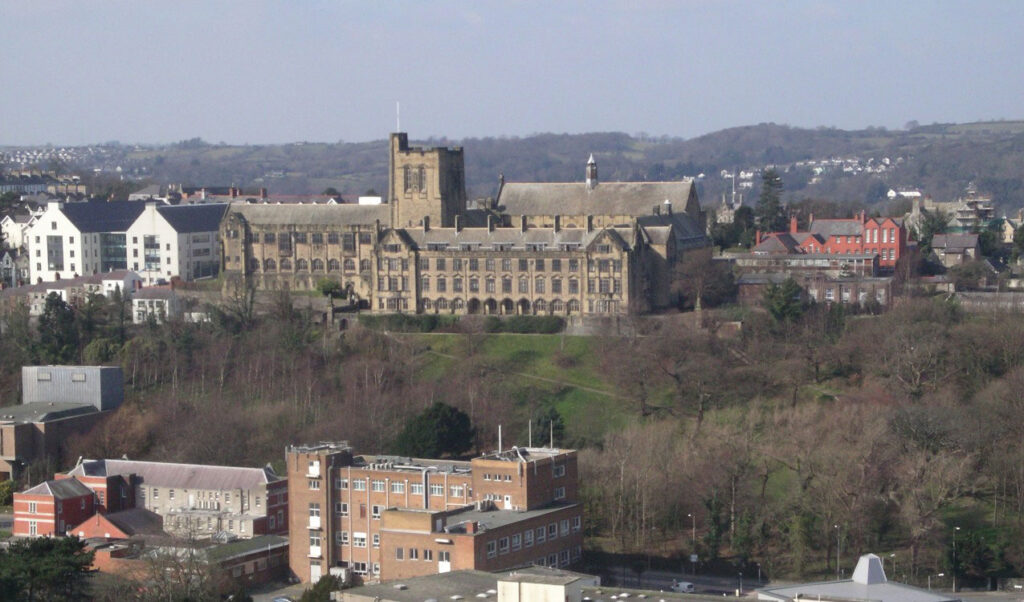
At its north-eastern tip sits Bangor, one of Britain’s smallest cities, centred on a historic cathedral and lively university quarter, with the graceful Victorian Garth Pier poking into the strait.
Down the coast, Caernarfon is dominated by its mighty UNESCO-listed castle and polygonal towers, anchoring a tight-knit walled town whose waterfront pubs and galleries face Anglesey.
Inland, Bethesda edges the rugged Ogwen Valley; slate once powered the town, and Penrhyn’s vast quarry now hosts adrenaline attractions with big Eryri views.
Mountain country begins in earnest at Llanberis, lakes Padarn and Peris flanking the village beneath Yr Wyddfa (Snowdon), with the Snowdon Mountain Railway and the National Slate Museum telling the story of stone and summit.
South through the Pass of Aberglaslyn, Beddgelert charms with riverside cottages and the legend of Gelert woven into walks among copper-coloured hills.
Nearby, Blaenau Ffestiniog is all slate tips and tunnels, its industrial amphitheatre reborn with narrow-gauge trains, underground caverns and striking street art that honours a UNESCO World Heritage landscape.
On Tremadog Bay, Porthmadog grew around a 19th-Century harbour that shipped slate worldwide; today it’s the junction of the Ffestiniog and Welsh Highland Railways and a springboard for beaches and the Glaslyn estuary.
Close by, Penrhyndeudraeth looks across marsh and mountain to Portmeirion, the whimsical Italianate village dreamed up by Clough Williams-Ellis, where Mediterranean colour meets Welsh woodland.
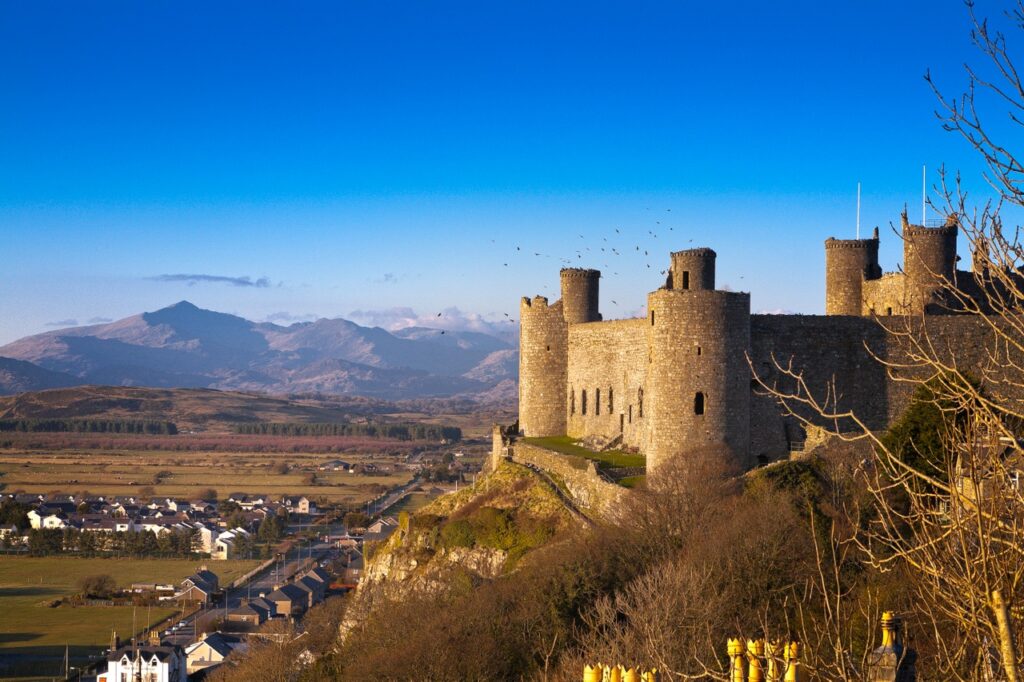
Along the coast, Harlech perches dramatically above dunes and championship links, its castle crowning a town of steep lanes and sea air, while Criccieth spreads around twin beaches guarded by a headland fortress that glows at sunset.
The Llŷn Peninsula feels like its own little world. Pwllheli is its unofficial capital, a traditional market town with a major marina and broad sands curving into the bay.
Fashionable Abersoch mixes surf shops, sailing and sheltered beaches, buzzing in summer yet laid-back out of season.
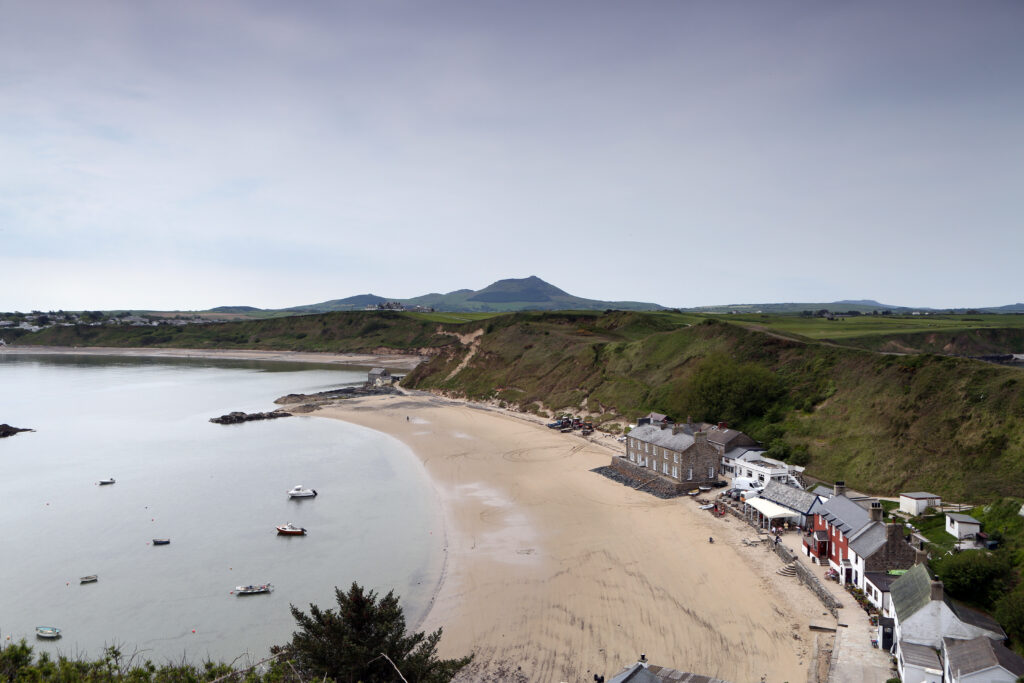
At the peninsula’s northern edge, Nefyn and nearby Morfa Nefyn carry fishing heritage, coastal-path drama and the celebrated pub at Porthdinllaen reached on foot along the sand.
Turn inland and lakes replace surf. Bala sits beside Llyn Tegid, Wales’s largest natural lake, a hub for kayaking, sailing and wild-swim mornings ringed by the gentle Berwyn foothills.
South of the Mawddach estuary, Dolgellau is a handsome market town of grey stone and golden light, gateway to the ridges of Cader Idris and a base for forest cycling and craft shops.
Estuary widens to seaside at Barmouth (Abermaw), a classic Victorian resort where a timber railway bridge frames salt marsh and mountains, and evening light pours across the harbour.
Further down the bay, Tywyn offers long, family-friendly sands and heritage rides on the pioneering Talyllyn Railway into the Fathew Valley, while neighbouring Aberdyfi (Aberdovey) clusters around a pretty harbour at the mouth of the Dyfi, known for seafood, sailing and a big sweep of dune-backed beach.
Together these towns and villages sketch a county of coastal adventure and mountain myth: places close enough to string together in a single trip, yet varied enough to feel like many holidays in one.