
Remembering Aberfan: 60 Years On, Welsh Museums Keep Our Stories Alive
SIXTY years after one of the darkest days in Welsh history, communities across south Wales are preparing to remember the 144 people who lost their lives in the Aberfan disaster.
On 21 October, 1966, a colliery spoil tip collapsed onto the mining village of Aberfan, engulfing Pantglas Junior School and nearby homes. Among those who died were 116 children and 28 adults.
The tragedy left a scar that has never truly healed, not only in Aberfan but across Wales and in communities around the world that followed the desperate rescue efforts.
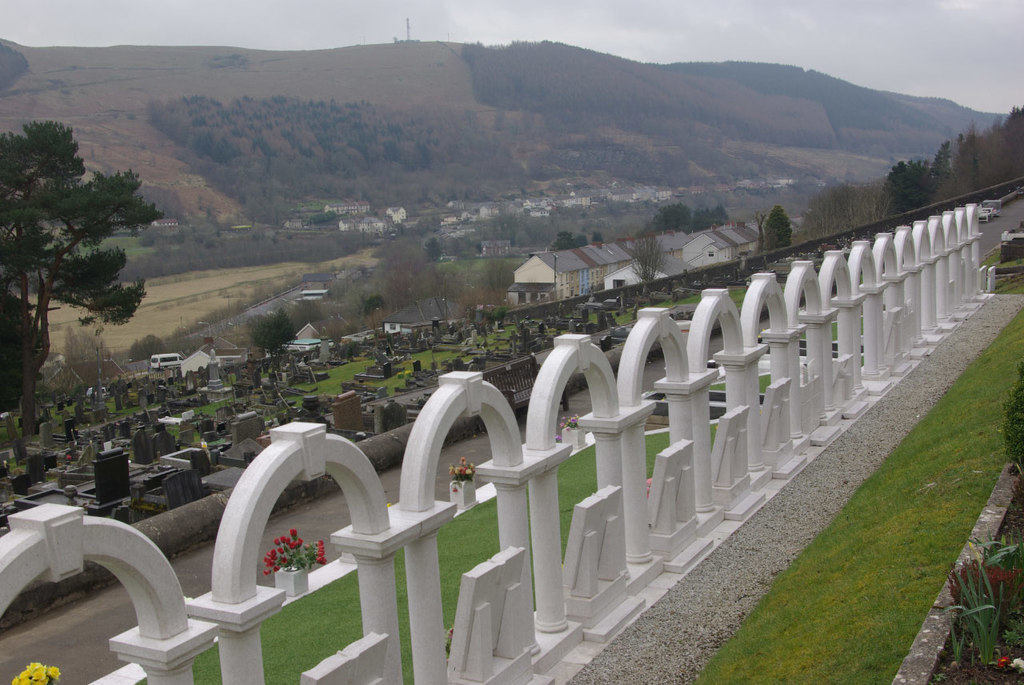
As the 60th anniversary approaches, Rhondda Heritage Park Museum in Trehafod is inviting visitors to participate in a series of free commemorative activities, exhibitions and opportunities for personal reflection.
The programme is intended to honour those who died, recognise the courage and resilience of the community, and ensure that future generations understand what happened on that October morning.
***
Rhondda Heritage Park remembers
At the former Lewis Merthyr Colliery, Rhondda Heritage Park Museum provides a fitting setting for remembrance. Its industrial heritage reflects the mining traditions that once shaped so much of the south Wales valleys.
Among the commemorations is a screening of Sorrow and Stirring of a New Life, featuring photographs taken by American photojournalist I.C. (Chuck) Rapoport, who travelled to Aberfan for LIFE magazine in 1966.
Rapoport spent six weeks documenting a community coming to terms with unimaginable loss. His photographs became an enduring record of the tragedy’s aftermath.
The screening will take place on Tuesday, 20 October, at 2pm, followed by a question-and-answer session with Suzanne Grover, who grew up in Aberfan and helped with the Civil Defence response as a teenager.
Admission is free, but visitors are encouraged to reserve a place by telephoning 01443 682036.
Visitors can also see a particularly moving permanent memorial created by Welsh artist Nathan Wyburn.
His sculpture, entitled 21.10.1966 144 9.13AM, contains 144 clocks, each representing someone who lost their life. Every clock is stopped at 9.13am, the time the disaster struck.
Inspired by a photograph of former miner Johnny Thomas, one of the first people to reach the disaster scene, the sculpture provides a powerful visual reminder of the lives lost.
Another important initiative, The Silent Volunteer, invites people to contribute memories and messages through a special commemorative postbox. These contributions will be preserved until the centenary of the disaster in 2066.
A Tree of Remembrance and Hope offers another way to participate, encouraging visitors of all ages to add messages of kindness, remembrance and hope.
The museum’s digital exhibitions and historical displays also explore daily life in Welsh mining communities, helping visitors understand the wider social and industrial background against which the Aberfan tragedy unfolded.
***
The Silent Volunteer: Remembering those who answered the call
One of the anniversary’s most poignant cultural projects is The Silent Volunteer, a theatrical production by Avant Cymru involving descendants of people who responded to the Aberfan disaster.
The performances explore the extraordinary response of miners, emergency workers, volunteers and local residents, as well as the ways in which the events of 1966 continue to influence communities today.
Free performances are scheduled for the Pierhead Building in Cardiff on 20 October at 10am, Tylorstown Welfare Hall on 21 October at 1pm and 7.30pm, and St Elvan’s Church, Aberdare, on 22 October at 7.30pm.
The project demonstrates how theatre and shared memories can preserve history in ways that speak to new generations.
***
A remarkable photographic record at Cyfarthfa Castle
Another important anniversary exhibition is taking place at Cyfarthfa Castle Museum & Art Gallery, Merthyr Tydfil.
Aberfan 60: The Days After features photographs by Chuck Rapoport, whose work for LIFE magazine brought the Aberfan story to an international audience.
The exhibition focuses on the weeks following the disaster, capturing grief and loss alongside the compassion, courage and solidarity of the community.
It runs until Sunday, 1 November, 2026, providing an important opportunity for those unable to attend the anniversary commemorations to reflect on the events of 1966.
These images are more than historical documents. They are an enduring reminder of real people, families and a community whose lives were changed forever.
Free half-term fun at the Museum of Cardiff
While Welsh museums are helping communities remember the past, they are also preparing to welcome younger visitors for a week of learning, creativity and family entertainment.
The Museum of Cardiff, housed in the Old Library on The Hayes, is joining the Welsh Museums Festival with a programme of free family activities from 24 October to 1 November.
This year’s festival celebrates Sustainable Hwyl, encouraging families to enjoy Halloween while thinking about recycling and caring for the environment.
Among the attractions is a free screening of Disney/Pixar’s WALL-E on Monday, 26 October, at 11am, with no advance booking required.
On Wednesday, 28 October, from 11am to 3pm, families can drop in to create their own spooky Halloween decorations.
The following day, Thursday 29 October, brings a Halloween zine-making workshop with Flossy & Boo. Running from 11am to 12.30pm and again from 1pm to 3pm, the free sessions will encourage children to use recycled materials to create their own miniature publications.
Visitors can also collect a complimentary Halloween and Hwyl activity booklet, filled with puzzles and family activities.
All children must be accompanied by an adult. Further information is available from the Museum of Cardiff’s official festival programme.
***
More free half-term activities at Rhondda Heritage Park
Rhondda Heritage Park Museum will also be joining the festival with a rather different attraction on Tuesday, 27 October.
Families can learn about bats, including species that make their homes in former coal mines, while taking part in crafts and building their own bat boxes.
Three free sessions are planned, starting at 10am, 12.15pm and 2.15pm. Activities are recommended for children aged five and over.
Booking is essential, with 30 child places available per session. Details can be found on the Rhondda Heritage Park half-term activities page.
***
Preserving memories, inspiring future generations
From the poignant Aberfan anniversary commemorations to the creativity of half-term workshops, Welsh museums continue to demonstrate their importance to communities.
They are places where history is preserved, personal experiences are shared and children discover something new about the country around them.
For the people of Aberfan, the events of 21 October, 1966, will never be forgotten. Sixty years later, the responsibility of carrying those memories forward increasingly passes to younger generations.
And perhaps that is one of the most important contributions our museums can make — ensuring that the stories which shaped Wales remain part of its future.
Visitor information: Rhondda Heritage Park Museum is open Tuesday to Saturday, 9am–4.30pm. The Aberfan memorial sculpture, interactive exhibitions, remembrance tree and commemorative postbox can be visited during opening hours. Entry to the commemorative activities is free.
For full details of the anniversary programme, see Aberfan 60 – Rhondda Cynon Taf Council